Most homeowners use electrical outlets every day without giving them much thought. However, areas near water require extra electrical protection. A GFCI outlet provides an important layer of safety and can help protect you and your family from electrical shock.
At Gowdy Electric, we encourage homeowners to understand how GFCI protection works and where their homes need it.
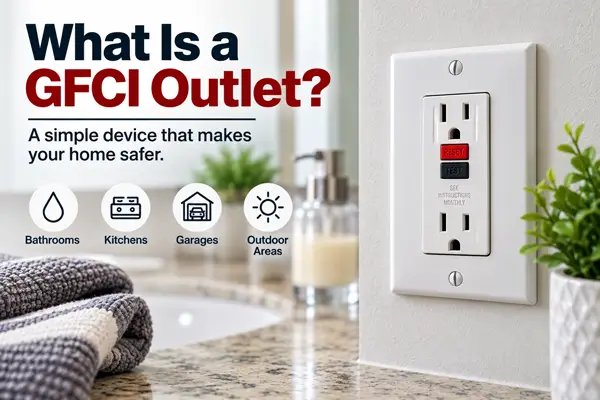
What Is a GFCI Outlet?
GFCI stands for Ground-Fault Circuit Interrupter. You can usually recognize a GFCI outlet by the TEST and RESET buttons on the front.
A GFCI constantly monitors the electrical current flowing through a circuit. When it detects an imbalance, it quickly shuts off power. That imbalance may indicate that electricity has found an unintended path, such as through water or a person.
This quick response can significantly reduce the risk of a serious electrical shock.
For example, imagine using a small appliance near your kitchen sink. A damaged cord or electrical fault could allow electricity to travel through water or another unintended path. A properly working GFCI detects the problem and quickly cuts power to the circuit.
Where Do You Need GFCI Outlets?
Homes especially need GFCI protection in areas where electricity could come into contact with water or moisture. Electrical codes have expanded GFCI requirements over the years, so newer homes often have more GFCI-protected locations than older homes.
Depending on your home and current electrical-code requirements, you may need GFCI protection in:
- Bathrooms
- Kitchens
- Garages
- Basements and crawl spaces
- Laundry areas
- Outdoor areas
- Areas near sinks
- Pools and spas
- Other damp or wet locations
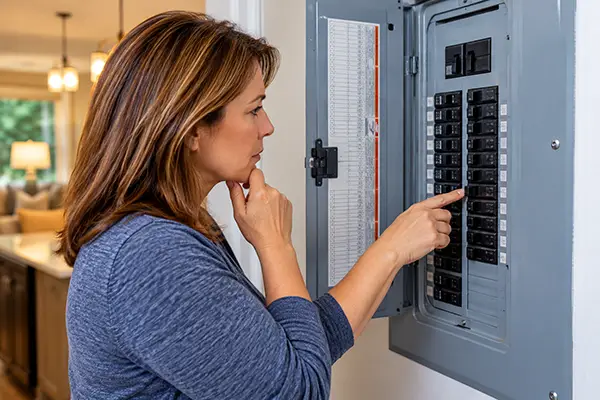
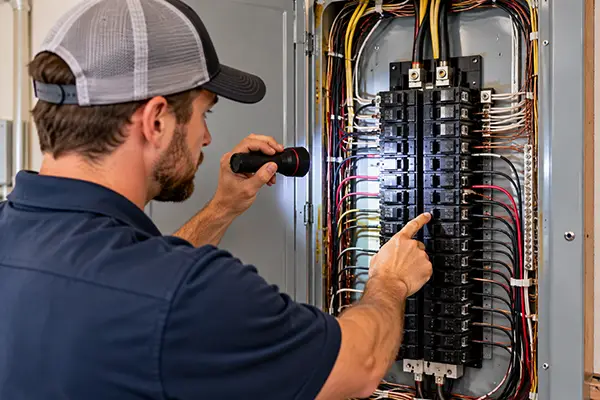
Keep in mind that you won’t always see TEST and RESET buttons on every GFCI-protected outlet. A single GFCI receptacle can protect other outlets located farther down the circuit. A GFCI circuit breaker in your electrical panel can also provide protection to multiple outlets.
How Can You Tell If a GFCI Works?
Test your GFCI outlets regularly. Press the TEST button, and the outlet should immediately cut the power. Press RESET to restore it.
If an outlet doesn’t trip during testing, won’t reset, repeatedly trips or shows signs of damage, contact a qualified electrician. Faulty wiring, moisture, appliances or a failing GFCI can cause these problems.
Does Your Home Have Enough GFCI Protection?
Many older homes lack GFCI protection in locations where today’s electrical codes require or recommend it. Remodeling, adding outlets or updating an older electrical system also provides a good opportunity to evaluate your home’s protection.
Gowdy Electric can inspect your electrical system, troubleshoot GFCI problems and install or replace GFCI outlets where needed.
A small electrical upgrade can make a big difference in home safety.
Need help with GFCI outlets or other electrical work? Contact Gowdy Electric today to schedule professional electrical service.