Water in an electrical system is a serious safety hazard that should never be ignored. While most homeowners understand that water and electricity do not mix, many are surprised to learn how easily moisture can enter electrical components throughout a home. From severe storms to hidden plumbing leaks, water intrusion can damage wiring, create fire hazards, and lead to costly repairs.
One of the most common ways water enters an electrical system is through outdoor electrical equipment. Electrical panels, meter bases, disconnects, outlets, and junction boxes are exposed to the elements year-round. Over time, seals can deteriorate, covers can become loose, and small cracks can develop. During heavy rain, wind-driven storms, or flooding, moisture can seep into these components and cause corrosion, short circuits, and equipment failure.
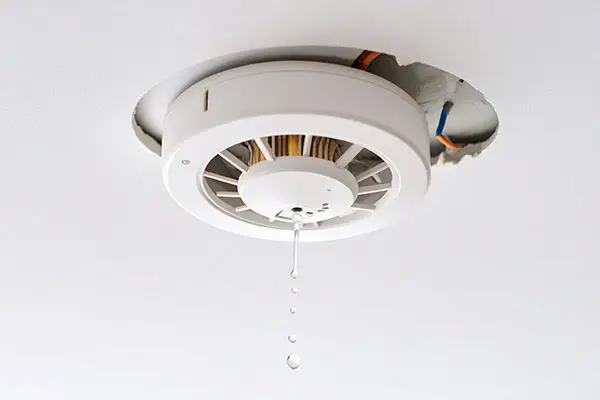
Another major source of electrical water damage is a roof leak. Water can travel through attics, insulation, and wall cavities before reaching electrical wiring, ceiling fans, light fixtures, or electrical panels. In many cases, homeowners notice flickering lights or tripped breakers before they discover the source of the leak. Even a small roof leak can create significant electrical problems over time.
Plumbing leaks are another hidden threat. A leaking pipe behind a wall, under a sink, or above a ceiling can expose electrical wiring to moisture for weeks or even months. This prolonged exposure can deteriorate wire insulation, corrode connections, and increase the risk of electrical fires.
In humid climates, condensation can also cause problems inside electrical equipment. Moisture may form inside electrical panels, conduit systems, and outdoor disconnects when temperature differences create condensation. Although it may seem harmless, even small amounts of moisture can lead to rust, corrosion, and reduced system performance.
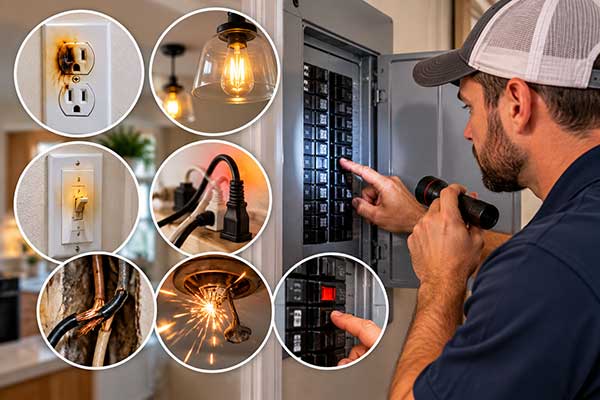
Homeowners should watch for warning signs that water may have entered their electrical system. These signs include:
- Frequent breaker trips
- Flickering or dimming lights
- Buzzing sounds from outlets or panels
- Rust or corrosion on electrical equipment
- Burning odors near electrical devices
- Visible water around outlets, switches, or panels
If you notice any of these issues, do not touch wet electrical equipment. Water can create an immediate risk of shock or electrocution. Instead, contact a licensed electrician to inspect the affected area and determine the safest course of action.
The best protection against electrical water damage is prevention. Regular electrical inspections, weatherproof outdoor equipment, and prompt repair of roof and plumbing leaks can help protect your home and family.
If you suspect water in your electrical system, contact Gowdy Electric. Our experienced electricians can identify hidden hazards, inspect damaged components, and provide safe, reliable solutions to keep your home’s electrical system operating safely.